Beautiful Plants For Your Interior
Beautiful Plants For Your Interior
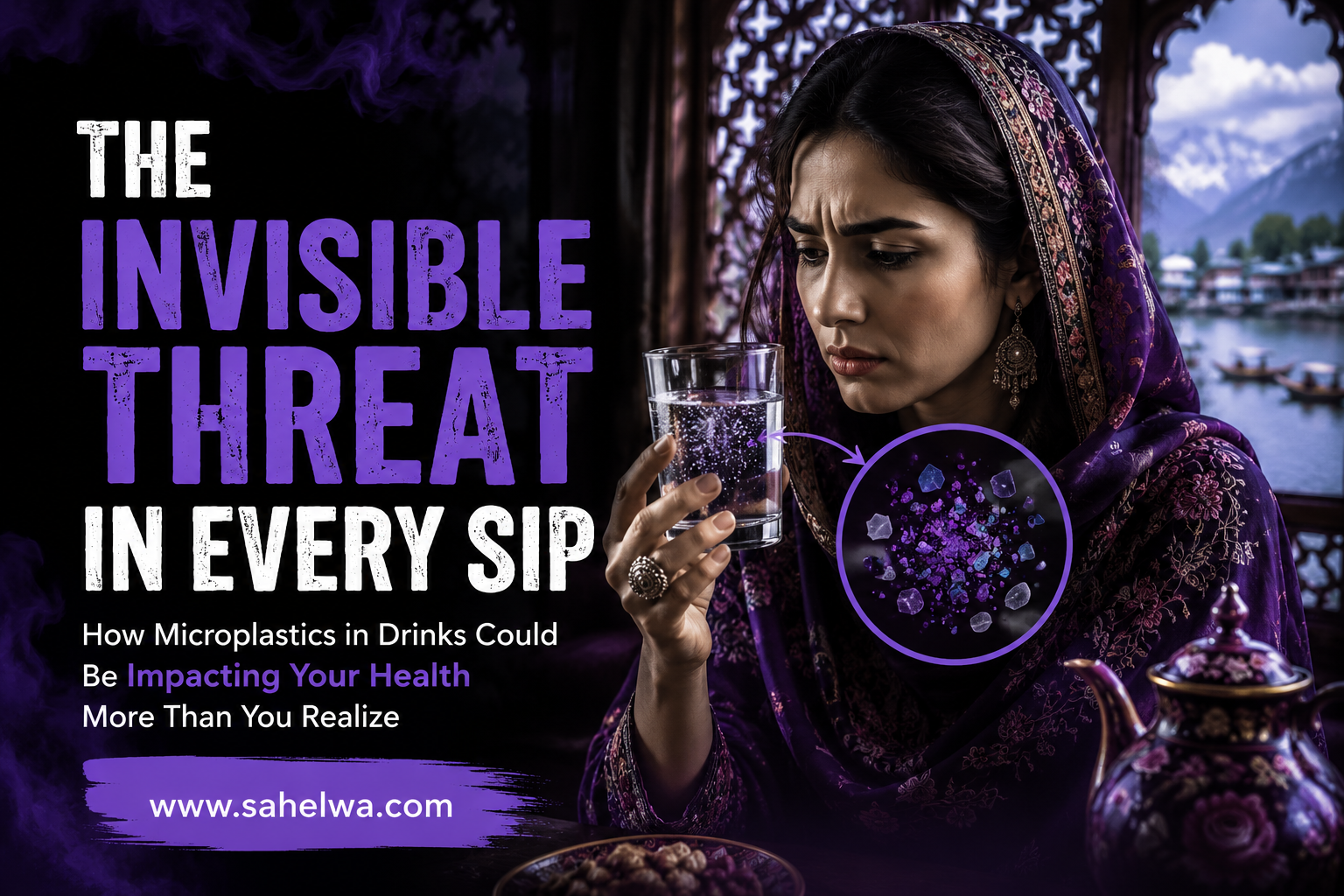
Every day, millions of people carefully choose what they drink. Some select bottled water believing it is safer. Others reach for soft drinks, juices, sports beverages, tea, coffee, or flavored water. Yet an emerging concern is forcing consumers, researchers, manufacturers, and health experts to ask an uncomfortable question:
How much plastic are we actually drinking?
Microplastics have become one of the most discussed environmental and public health issues of the modern era. These tiny plastic particles, often smaller than five millimeters, have been discovered in oceans, rivers, soil, food, air, and increasingly, in beverages consumed by people around the world. What was once considered an environmental problem has now become a personal health concern.
The reality is both alarming and urgent. While scientists continue to study the long-term effects, evidence suggests that microplastics are becoming nearly impossible to avoid. Understanding how they enter drinks, what risks they may pose, and what actions consumers and businesses can take has never been more important.
What Are Microplastics?
Microplastics are extremely small plastic fragments created when larger plastic materials break down over time. They can also be intentionally manufactured for industrial applications.
These particles originate from:
Plastic bottles
Food packaging
Synthetic clothing fibers
Industrial waste
Cosmetic products
Plastic manufacturing processes
Environmental pollution
Once released into the environment, microplastics spread through water systems, air currents, and food chains. Their tiny size allows them to enter products that people consume daily, including beverages.
Why Are Microplastics Being Found in Drinks?
The journey of microplastics into beverages happens in multiple ways.
Plastic Packaging
One of the most common sources is plastic packaging. Bottled water, soft drinks, energy drinks, and juices are frequently stored in plastic containers. During manufacturing, transportation, storage, and consumption, microscopic plastic particles can detach from packaging materials.
Water Sources
Many beverage manufacturers rely on water drawn from natural sources. Unfortunately, rivers, lakes, and groundwater are increasingly contaminated with plastic pollution.
Even treated drinking water may contain microplastic particles that pass through filtration systems.
Production Equipment
Plastic components used during beverage production and bottling can release microscopic particles into products.
Bottle Caps and Seals
Research suggests that opening and closing plastic caps can generate tiny plastic fragments that may enter beverages.
Environmental Contamination
Microplastics exist in the air. During manufacturing, packaging, storage, and distribution, airborne particles may contaminate beverages.
Which Drinks Are Most Likely to Contain Microplastics?
Microplastics have been detected in a surprisingly wide range of beverages.
These include:
Bottled water
Carbonated soft drinks
Fruit juices
Sports drinks
Energy drinks
Beer
Wine
Milk
Tea
Coffee
Flavored beverages
Even products marketed as premium or healthy options are not necessarily immune from contamination.
The issue is not limited to one industry, one country, or one brand. It represents a global challenge affecting beverage production worldwide.
How Serious Is the Problem?
This is where the conversation becomes increasingly important.
Microplastics are now being detected in places scientists never expected decades ago. Studies have identified plastic particles in human blood, lung tissue, and other parts of the body.
While researchers continue investigating the full health implications, concerns include:
Inflammation
Cellular stress
Potential chemical exposure
Immune system impacts
Hormonal disruption
Long-term accumulation in the body
Scientists emphasize that more research is needed before definitive conclusions can be made. However, the growing presence of microplastics in everyday life is prompting increased concern among health professionals and regulatory agencies.
The key issue is cumulative exposure.
A single beverage may contain only a small number of particles. But when combined with food, water, air, and daily environmental exposure, total intake over years and decades could become significant.
Why Consumers Should Pay Attention Now
Many people assume environmental issues are distant problems that affect future generations.
Microplastics challenge that assumption.
Every bottle opened, every packaged beverage consumed, and every contaminated water source contributes to a larger exposure pattern.
Consumers who understand the issue today can make smarter choices tomorrow.
Ignoring the problem does not make it disappear.
Awareness creates demand for innovation, transparency, and safer manufacturing practices.
What Beverage Companies Are Doing
Leading beverage manufacturers are increasingly investing in solutions to reduce plastic contamination.
These efforts include:
Advanced filtration technologies
Improved quality control systems
Alternative packaging materials
Enhanced supply chain monitoring
Sustainable production practices
Reduced plastic usage
Research partnerships with scientific institutions
Companies that act proactively are likely to earn greater trust from consumers as awareness continues to grow.
The future beverage market will increasingly reward brands that demonstrate environmental responsibility and product safety.
How Consumers Can Reduce Exposure
Although eliminating exposure entirely may not currently be possible, practical steps can help reduce risk.
Choose Glass When Possible
Glass containers generally reduce direct contact between beverages and plastic packaging.
Use Reusable Bottles
High-quality stainless steel or glass bottles can reduce dependence on single-use plastics.
Filter Drinking Water
Some advanced filtration systems may help reduce microplastic content.
Avoid Excessive Heat Exposure
Plastic containers exposed to heat may release more particles. Avoid leaving bottled beverages in hot vehicles or direct sunlight.
Support Sustainable Brands
Consumer demand influences corporate behavior. Supporting companies that prioritize environmental responsibility encourages industry-wide improvement.
The Future of Drinking Water and Beverage Safety
The conversation about microplastics is still evolving.
What is clear is that public awareness is growing rapidly.
Governments, researchers, environmental organizations, healthcare experts, and manufacturers are increasingly focused on understanding and addressing the issue.
Future innovations may include:
Plastic-free packaging
Advanced filtration technologies
Stricter manufacturing standards
Improved environmental regulations
Enhanced recycling systems
Safer beverage production methods
The companies and consumers that adapt early will be better positioned in a world that increasingly values transparency, sustainability, and health-conscious choices.
The Question We Can No Longer Ignore
For decades, convenience drove consumer behavior.
Today, awareness is changing that equation.
Microplastics are not merely an environmental headline. They represent a challenge that touches public health, business responsibility, sustainability, and consumer trust.
Every drink tells a story about where it came from, how it was produced, and what may be contained within it.
The question is no longer whether microplastics exist in drinks.
The real question is whether industries, governments, and consumers will act quickly enough to reduce exposure before the consequences become even more significant.
The future of beverage safety may depend on the decisions being made right now.