Beautiful Plants For Your Interior
Beautiful Plants For Your Interior
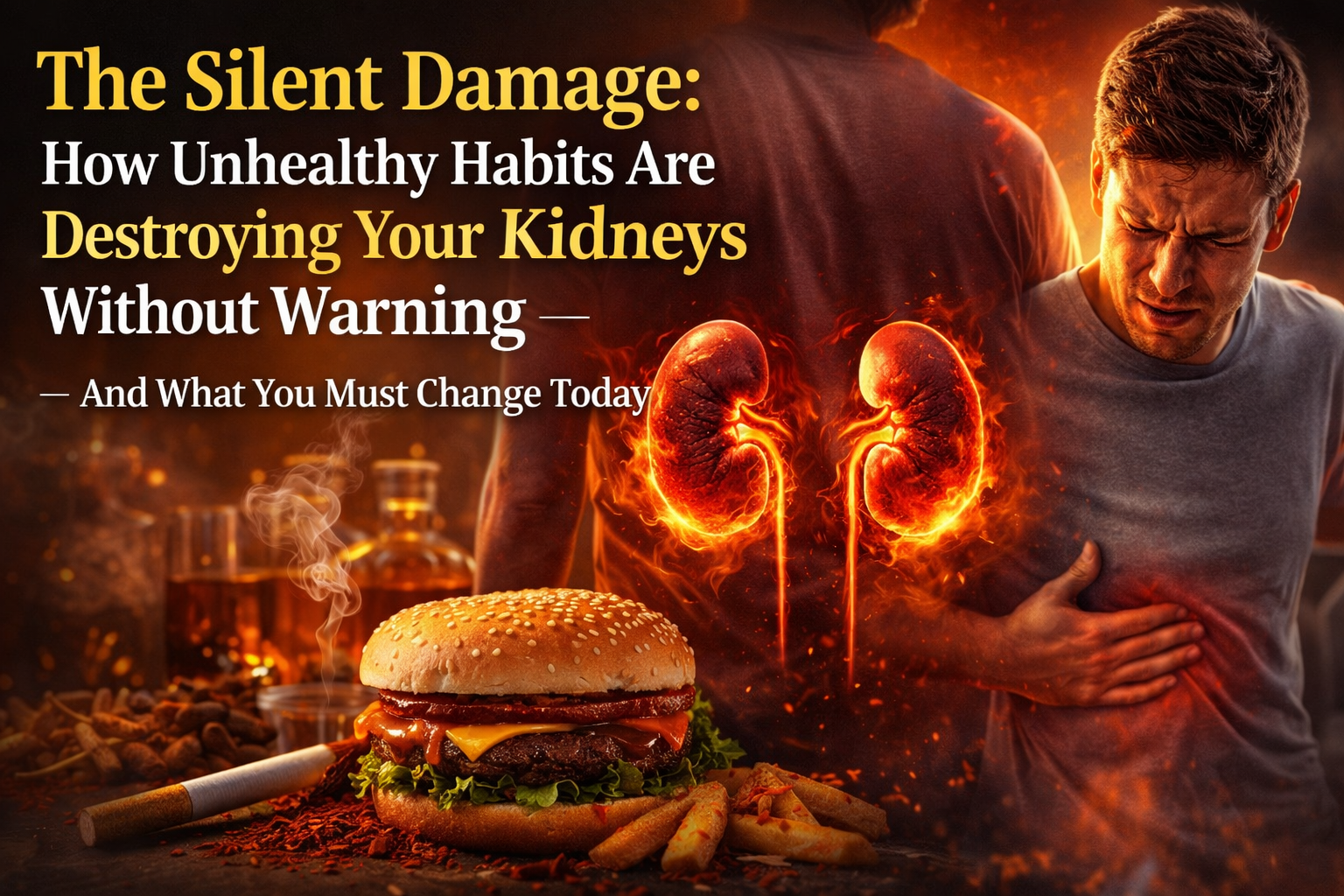
Your kidneys are working 24/7, silently filtering toxins, balancing fluids, and keeping your body alive. But here’s the brutal truth — they can be severely damaged long before you feel a single symptom.
Unhealthy lifestyle choices are not just “bad habits.” They are silent triggers that can lead to Chronic Kidney Disease, a life-altering condition that often goes unnoticed until it reaches an advanced stage.
This is not just information. This is a wake-up call.
Before you understand the damage, you need to understand their value.
Your kidneys:
When these functions decline, your entire body suffers.
Yes — and more aggressively than you think.
Every poor decision compounds over time. The damage is gradual, silent, and often irreversible.
Let’s break it down.
A diet high in processed foods, sugar, and salt directly stresses your kidneys.
Result: Long-term damage that reduces kidney efficiency and increases risk of failure.
Your kidneys rely on water to flush out toxins.
When you don’t drink enough:
Chronic dehydration is one of the simplest yet most ignored causes of kidney damage.
Frequent use of medications like
can harm kidney tissues over time.
These drugs reduce blood flow to the kidneys, especially when used excessively or without medical guidance.
Smoking reduces blood flow to vital organs, including kidneys, while excessive alcohol:
Together, they accelerate kidney deterioration.
A sedentary lifestyle contributes to:
All of these are major contributors to kidney damage.
Kidney damage often shows subtle symptoms:
Ignoring these signs allows conditions like Chronic Kidney Disease to progress silently.
Kidney failure doesn’t just affect your health — it changes your entire life.
You may require:
And here’s the harsh reality: many cases could have been prevented.
This is where everything changes.
Choose:
Avoid processed and high-sugar foods.
Drink enough water daily to keep your kidneys functioning optimally.
Never overuse painkillers. Always follow medical advice.
Regular exercise improves blood flow and reduces risk factors.
These are non-negotiable if you want long-term kidney health.
Early detection can prevent irreversible damage.
Your kidneys won’t scream for help — they fail in silence.
Every unhealthy habit you ignore today becomes tomorrow’s health crisis.
You have two choices:
This is your moment to act.