Beautiful Plants For Your Interior
Beautiful Plants For Your Interior
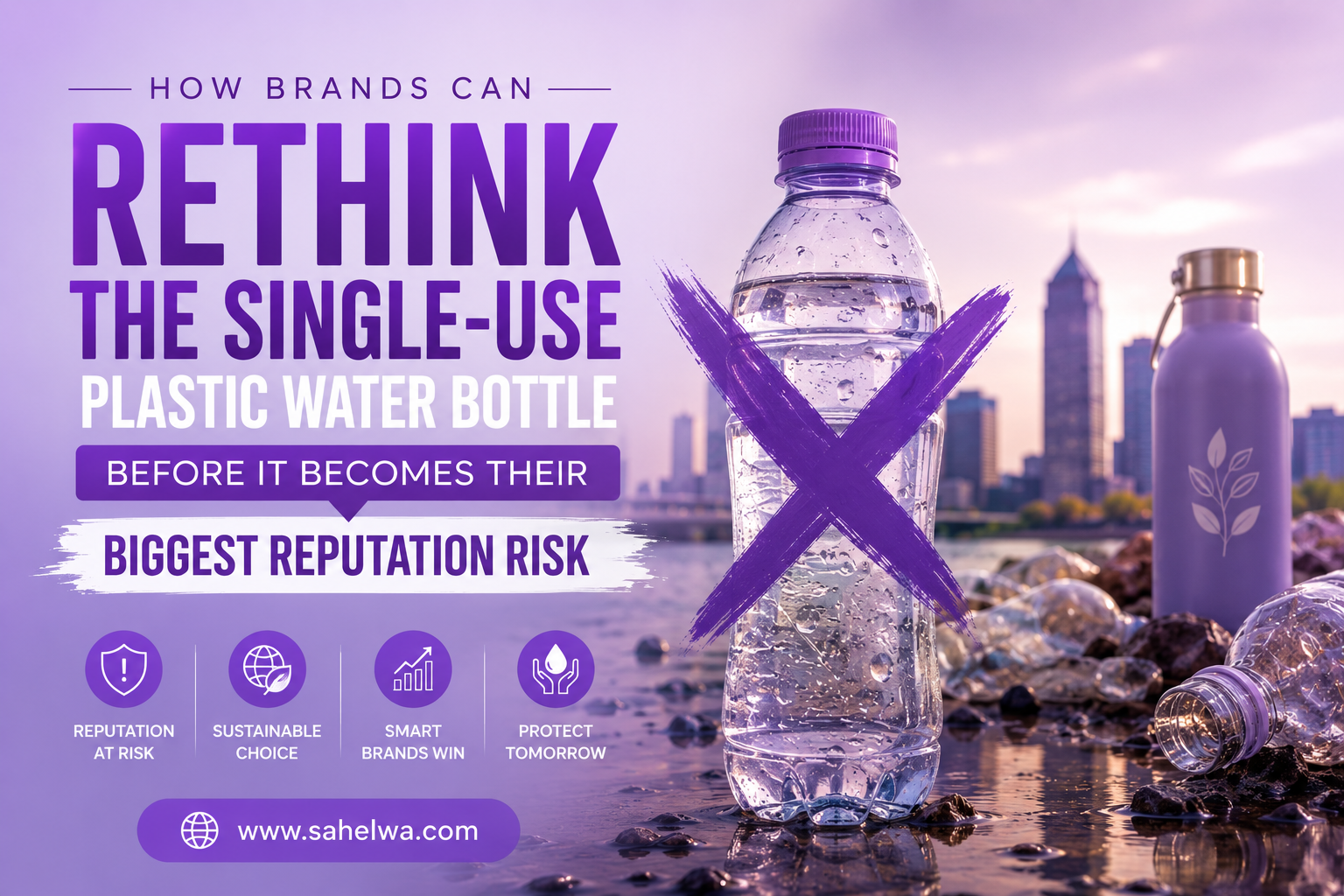
The Silent Crisis Brands Can No Longer Ignore
The single-use plastic water bottle is one of the most recognizable symbols of modern convenience—and one of the most damaging environmental habits of our time. Every minute, millions are purchased, used for a few moments, and discarded, often ending up in landfills, oceans, and ecosystems that cannot process them for centuries.
For brands, this is no longer just an environmental concern. It is a trust issue, a reputation issue, and a long-term survival issue.
Consumers today are not just buying products. They are buying responsibility, transparency, and alignment with their values. And they are watching closely.
The question is no longer whether brands should rethink the single-use plastic water bottle. The real question is how fast they can replace it with something that still serves people without harming the planet.
Why the Single-Use Model Is Breaking Down
The traditional bottled water system was built for convenience, not consequences. But the consequences are now impossible to ignore:
Plastic waste accumulation is accelerating beyond recycling capacity
Recycling systems are inconsistent and often ineffective
Carbon footprint from production and transport remains high
Consumer trust in “recyclable” claims is declining
What once looked like a simple product has become a complex sustainability challenge. And brands that continue to rely on it without innovation risk being seen as outdated, careless, or disconnected from global priorities.
How Brands Can Rethink the System, Not Just the Bottle
Real change does not come from redesigning packaging alone. It comes from redesigning the entire consumption model.
Instead of selling bottled water as a product, brands can create refill networks in retail stores, offices, gyms, airports, and public spaces. The focus moves from disposal to continuous use.
Durable bottles designed for long-term use, paired with filtration partnerships, can replace repeated single-use cycles. The bottle becomes a lifestyle product, not a disposable item.
Brands can implement take-back programs where used bottles are collected, cleaned, and reused or remanufactured into new packaging. This reduces waste leakage and increases material value.
Biodegradable, compostable, or plant-based materials are improving rapidly. While not a perfect solution, they can significantly reduce environmental impact when combined with responsible disposal systems.
Make reuse cheaper than disposal. Reward customers who refill instead of rebuying. Behavioral economics can drive massive change when structured correctly.
The Emotional Shift: From Convenience to Responsibility
Consumers are no longer emotionally attached to single-use convenience the way they once were. Instead, there is a growing emotional discomfort around waste.
People do not want to feel like their daily hydration habit is contributing to long-term environmental damage. This emotional conflict is where brands must step in.
The most successful brands in the coming decade will not be the ones that sell the most bottled water, but the ones that make bottled waste nearly obsolete.
The Business Case for Change Is Stronger Than Ever
Sustainability is often framed as a cost. In reality, it is becoming a competitive advantage.
Brands that rethink the single-use plastic water bottle gain:
Stronger customer loyalty
Reduced long-term packaging costs
Improved regulatory readiness
Enhanced brand reputation
Access to sustainability-driven markets and partnerships
In contrast, brands that resist change may face rising material costs, regulatory pressure, and reputational decline.
Action Plan: What Brands Must Do Now
The transition cannot be delayed. The roadmap is clear:
Audit current plastic usage across all product lines
Identify high-volume single-use dependencies
Pilot refill or reuse systems in select markets
Partner with sustainability innovators and material scientists
Educate consumers with transparent communication, not greenwashing
Scale successful pilots into core business models
The shift does not have to happen overnight, but it must begin immediately.
The Future Belongs to Circular Thinking
The future of hydration is not disposable. It is circular, intelligent, and regenerative. Brands that embrace this shift early will not only reduce harm but also redefine leadership in their industry.
The single-use plastic water bottle is not just a product issue. It is a mindset issue. And the brands willing to challenge that mindset will shape the next era of consumer trust.