Beautiful Plants For Your Interior
Beautiful Plants For Your Interior
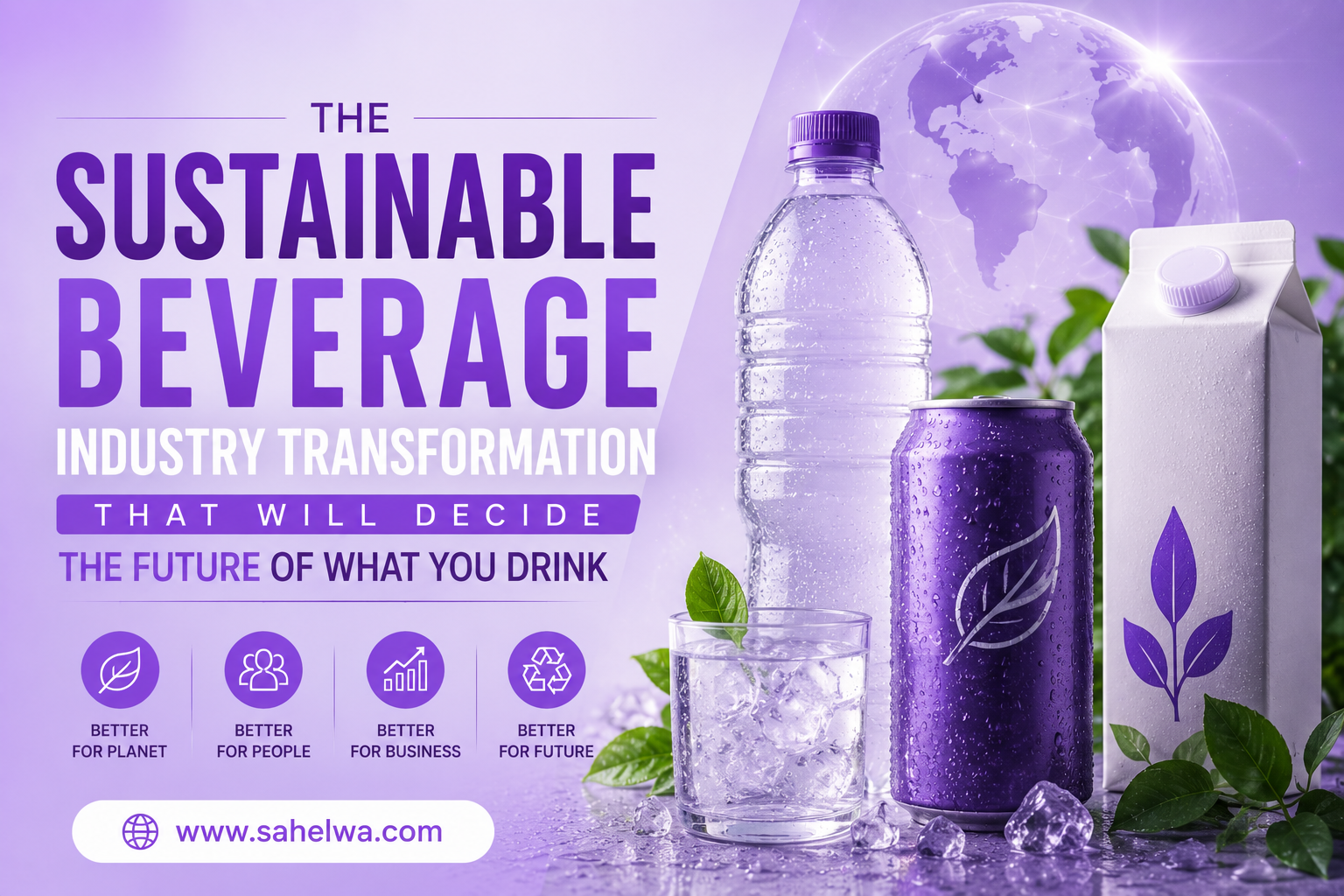
The global beverage industry is standing at a turning point that is no longer optional but urgent. What we drink, how it is produced, how it is packaged, and the impact it leaves behind is being questioned at every level. The sustainable beverage industry transformation is not just a trend; it is a survival strategy for brands, ecosystems, and future generations. Companies that fail to adapt are already falling behind, while those that embrace sustainability are reshaping consumer trust and market leadership.
For decades, the beverage sector has been driven by mass production, single-use plastics, excessive water consumption, and carbon-heavy logistics. But today’s consumers are no longer passive. They are informed, demanding transparency, and actively choosing brands that align with environmental responsibility. This shift is not gradual anymore; it is accelerating at a pace that forces every business to rethink its core model.
The transformation begins with packaging. Plastic bottles, once the industry standard, are now the center of global criticism. Brands are moving toward biodegradable materials, glass reuse systems, aluminum innovation, and refillable packaging ecosystems. This is not just about reducing waste; it is about redesigning the entire lifecycle of a product so that it leaves minimal environmental footprint.
Water usage is another critical pressure point. Beverage production is heavily dependent on water resources, and in many regions, scarcity is becoming a serious threat. Companies are investing in water recycling technologies, closed-loop systems, and advanced filtration methods that allow them to reduce consumption while maintaining quality. This shift is no longer optional; it is essential for operational survival.
Energy consumption and carbon emissions are also being redefined. From sourcing ingredients to global distribution, every stage is being optimized for lower emissions. Renewable energy integration, local sourcing strategies, and smarter logistics planning are becoming standard practices for forward-thinking beverage companies.
However, the real transformation is not only technical; it is emotional and cultural. Consumers are not just buying drinks; they are buying values. A beverage today represents identity, responsibility, and awareness. Brands that communicate sustainability authentically are building deeper emotional connections, while those that rely on outdated greenwashing tactics are losing credibility rapidly.
The urgency is clear: the beverage industry cannot afford incremental change anymore. It requires a complete system redesign. Startups are disrupting traditional giants by building sustainability into their foundation, while established corporations are racing to retrofit decades-old infrastructure. The gap between leaders and laggards is widening every year.
What makes this transformation even more critical is regulation. Governments across the world are tightening environmental laws, introducing plastic bans, carbon taxes, and sustainability reporting requirements. This means the shift is not only consumer-driven but also legally enforced. Businesses that delay adaptation will face both financial and reputational consequences.
In the coming years, the beverage industry will no longer be defined by taste alone but by traceability, responsibility, and regeneration. The question is no longer whether sustainability matters, but which companies will survive because of it.
The future belongs to brands that understand a simple truth: sustainability is not a department, it is the foundation of growth.