Beautiful Plants For Your Interior
Beautiful Plants For Your Interior
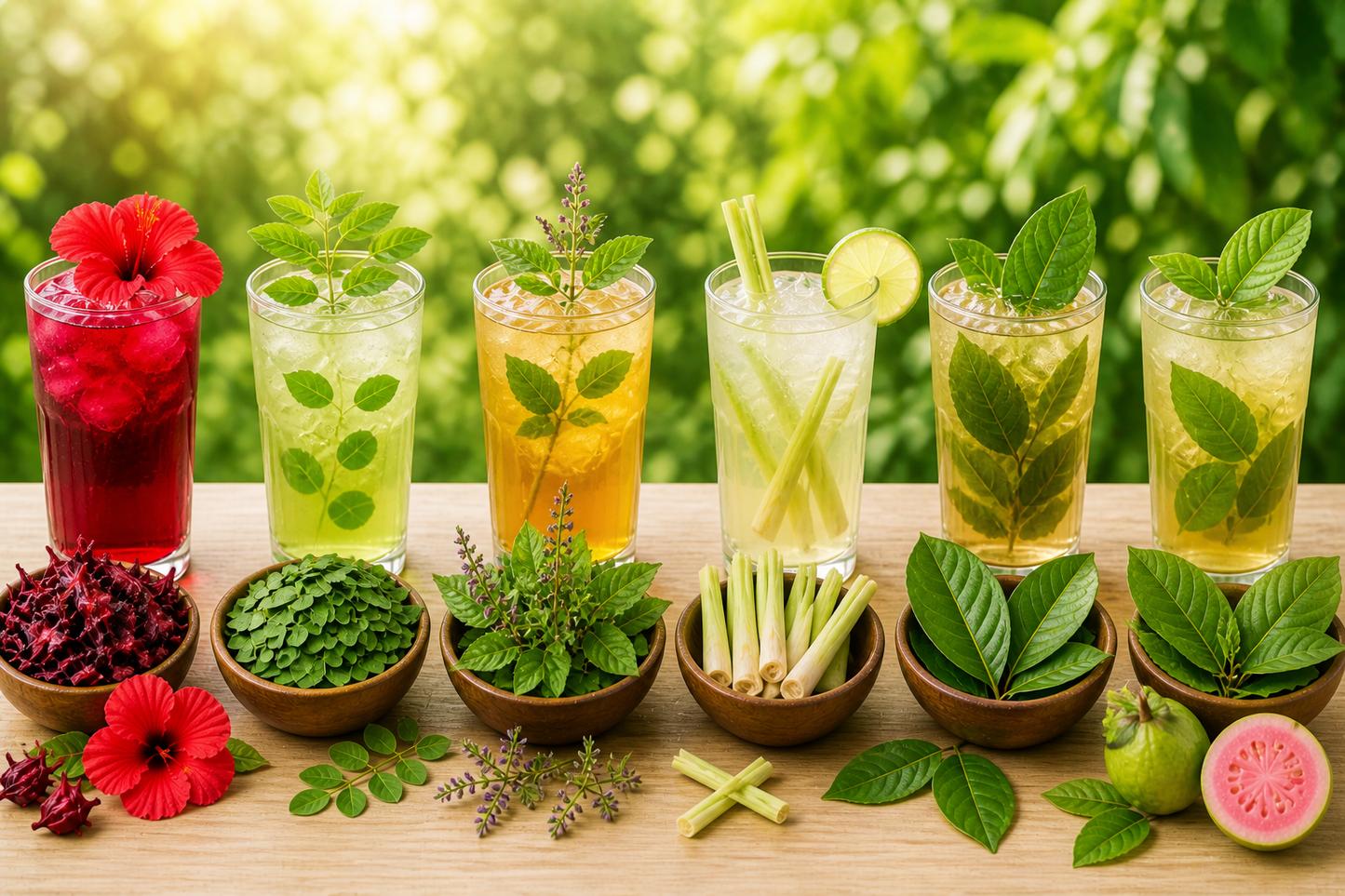
A beverage can taste incredible, contain valuable nutrients, and offer an unforgettable experience, but if its appearance fails to attract consumers, it may never get a second chance. In today’s competitive beverage market, color is more than decoration. It is a powerful part of how consumers judge quality, freshness, flavor, and product appeal. As shoppers become more interested in recognizable ingredients and natural-looking products, plant-based colors in beverages are creating a new opportunity for brands to stand out. From vibrant fruit drinks to premium botanical beverages, natural color can turn an ordinary product into something consumers want to pick up, explore, and share. The real question for beverage manufacturers is no longer simply whether a drink looks attractive. It is whether its color communicates the quality, values, and experience customers expect.
Consumer expectations are changing, and beverage brands that ignore this shift risk losing attention before customers even taste their products. Many shoppers now look for beverages that feel natural, transparent, and aligned with their lifestyle. This does not mean every consumer rejects synthetic colors or that all plant-based ingredients are automatically healthier. It means there is growing interest in products that use recognizable sources and offer a more natural positioning. Ingredients derived from fruits, vegetables, flowers, and other plants can help brands communicate that story when used appropriately. Natural color can support clean-label product development, but it must be backed by honest ingredient communication. A beautiful color attracts attention; a trustworthy product earns repeat purchases. Beverage companies that understand this difference can build stronger relationships with customers while creating a more compelling reason to choose their drinks.
Plant-based colors are color ingredients derived from botanical sources, including fruits, vegetables, flowers, and other plants. They are used to create or enhance the appearance of beverages such as juices, flavored water, soft drinks, functional drinks, dairy alternatives, and premium botanical refreshments. Common examples include anthocyanins from sources such as purple sweet potato and black carrot, betalains from beetroot, chlorophyll-derived colors from green plants, and carotenoid pigments from ingredients such as carrots and certain fruits. Curcumin from turmeric is another well-known botanical pigment. Each color source behaves differently depending on the beverage’s acidity, temperature, light exposure, and processing conditions. This makes plant-based color selection both a creative and technical decision. The right ingredient can help a drink achieve an attractive appearance, but the wrong choice may lead to fading, instability, or a final product that does not match consumer expectations.
The most attractive beverage color is not always the easiest to maintain. Natural pigments can be sensitive to the conditions in which beverages are manufactured, stored, and consumed. Anthocyanins, for example, can change their appearance depending on pH, which makes them useful for certain red, purple, and berry-inspired beverages but more challenging in some formulations. Betalains may also be affected by heat, oxygen, and storage conditions. Carotenoid pigments can face challenges involving oxidation and dispersibility. These characteristics mean that beverage manufacturers must evaluate color performance throughout the entire product journey. A color that looks perfect in a laboratory sample may behave differently after pasteurization, bottling, transportation, or weeks on a retail shelf. Successful beverage development requires more than choosing a beautiful shade. It requires testing the stability, compatibility, and visual performance of the color in the actual beverage formula.
Color creates an emotional connection before the first sip. A soft pink beverage may suggest berries, freshness, or a refreshing fruit experience. A golden-yellow drink can communicate citrus, tropical flavor, or warmth. A rich green beverage may evoke botanical ingredients, wellness, or freshness, depending on its formulation and presentation. These associations influence how consumers interpret a product, although color alone cannot guarantee a particular taste or health benefit. Plant-based colors give beverage brands an opportunity to build a visual identity that connects with their target audience. A premium botanical drink may benefit from an elegant, naturally inspired appearance, while a family-friendly fruit beverage may need a bright and playful color. The strongest brands understand that visual appeal must work together with flavor, packaging, aroma, and product positioning. When these elements align, the beverage becomes easier to recognize, more memorable, and more compelling at the point of purchase.
In a crowded market, differentiation is not optional. Consumers are surrounded by hundreds of beverage choices, and brands must communicate their value quickly. Plant-based colors can become part of that communication strategy when they are selected to match a product’s identity. A beverage positioned around natural fruit ingredients may use color to reinforce its flavor story. A premium wellness-oriented drink may choose a refined botanical shade that complements its packaging and brand language. A sparkling beverage may use a distinctive color to create a memorable visual experience. However, brands should avoid assuming that natural color alone makes a product premium. The complete experience matters, including formulation quality, packaging design, price, taste, and consumer trust. Beverage companies that combine a strong visual identity with authentic ingredient choices can create products that are not only attractive on shelves but also recognizable across digital marketing, social media, and retail environments.
For beverage manufacturers, the most important question is often not whether a plant-based color can create the desired shade, but whether that shade will remain attractive throughout the product’s shelf life. Natural pigments may be affected by acidity, oxygen, light, heat, minerals, preservatives, and interactions with other ingredients. A beverage containing vitamin C, for example, may require careful evaluation of color stability depending on the pigment and formulation. Cloudiness, sedimentation, unexpected color shifts, or fading can affect consumer perception and product consistency. This is why brands should conduct real-world stability testing before committing to commercial production. Testing should include the final beverage formula, packaging format, processing conditions, and expected storage environment. A color that performs well under laboratory lighting may not deliver the same result in a transparent bottle exposed to retail lighting. The goal is to ensure that the beverage consumers purchase looks as appealing as the product they first discovered.
Choosing a plant-based color should begin with the beverage’s purpose, not simply the desired shade. Manufacturers need to understand the beverage’s pH, processing temperature, storage conditions, packaging, and target shelf life. They should also consider whether the color is water-soluble, oil-dispersible, or requires a specialized delivery system. Ingredient compatibility, flavor impact, dosage, and regulatory requirements must be evaluated before production. For example, a fruit-flavored acidic beverage may require a different pigment strategy from a plant-based milk drink or a neutral-pH functional beverage. Brands should work with experienced ingredient suppliers and technical formulation teams to identify suitable options. A structured approach can reduce costly reformulation and help manufacturers achieve consistent results. The strongest decision is not always the most vibrant color available. It is the color that delivers the right appearance, stability, cost, and consumer experience for the specific product.
The growing interest in functional beverages creates exciting possibilities for plant-based color innovation. Consumers are exploring drinks positioned around hydration, energy, relaxation, botanical ingredients, fruit nutrition, and everyday wellness. These products often rely on a strong visual identity to communicate their purpose and differentiate themselves from traditional soft drinks. Plant-based colors can support this positioning by helping brands create distinctive shades associated with fruit, plants, or botanical ingredients. Some natural pigments, such as anthocyanins and carotenoids, are also studied for their antioxidant properties, but their presence in a beverage should not be used to make unsupported health claims. Color is not proof of nutritional value. Responsible brands must distinguish between the visual function of a pigment and any scientifically substantiated nutritional benefit. By combining credible formulation, transparent labeling, and appealing design, beverage companies can create products that attract wellness-conscious consumers without relying on misleading promises.
The opportunity for plant-based colors extends beyond product appearance. Beverage brands can use natural color innovation to develop new product concepts, refresh existing portfolios, and explore premium market segments. A familiar beverage with a distinctive botanical color may attract consumers seeking something different. A new line of naturally colored sparkling drinks may create a recognizable brand identity across multiple flavors. A seasonal beverage may use color to reinforce its limited-edition positioning. However, successful commercialization requires careful attention to cost, supply consistency, regulatory compliance, and manufacturing performance. Natural colors can sometimes be more expensive or technically demanding than conventional alternatives. Businesses must evaluate whether the benefits justify the investment for their target market. When product quality, visual appeal, pricing, and consumer demand are aligned, plant-based colors can become more than an ingredient choice. They can contribute to a broader strategy for innovation, differentiation, and long-term brand growth.
The future of beverages will not be shaped by flavor alone. Consumers are looking for experiences that combine taste, appearance, ingredient transparency, and brand values. Plant-based colors offer beverage manufacturers a powerful opportunity to rethink how products attract attention and communicate quality. But the brands that succeed will be those that treat color as part of a complete product strategy rather than a quick visual upgrade. Start by identifying your target consumer, defining the desired color experience, evaluating suitable botanical pigments, and testing the final beverage under realistic conditions. Review your ingredient claims, packaging, and shelf-life performance before moving to commercial production. The beverage market is changing, and consumers are becoming more selective about what they choose. Your next product may have an excellent formula, but will its appearance make people stop, look, and take that first sip? The opportunity is clear: create beverages that look inviting, perform reliably, and give consumers a genuine reason to choose your brand.