Beautiful Plants For Your Interior
Beautiful Plants For Your Interior
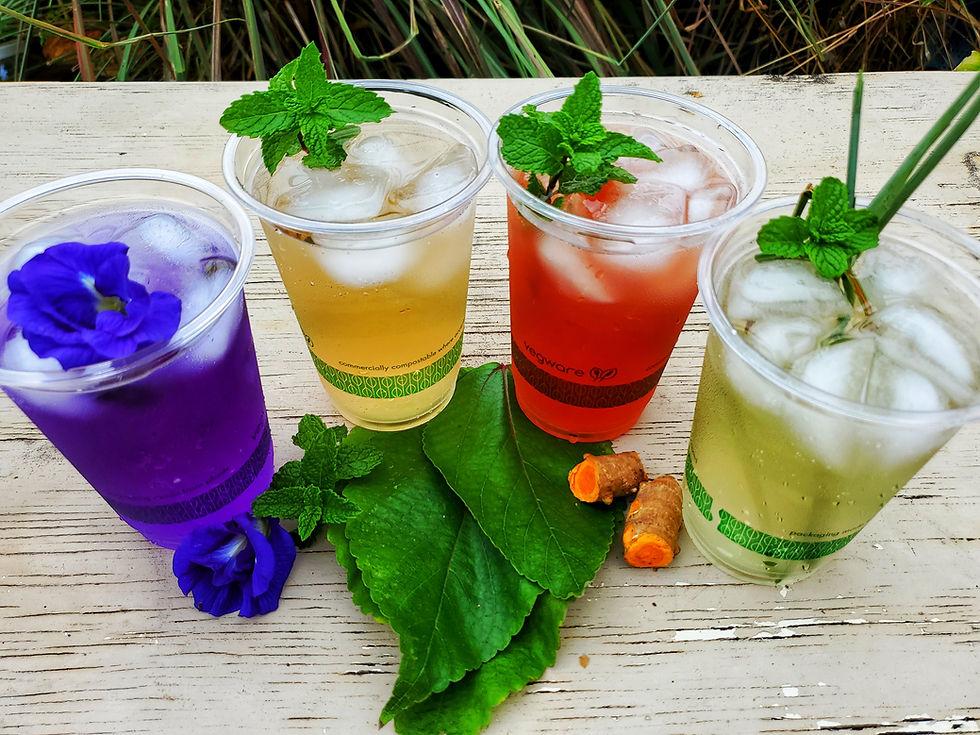
Before consumers taste a beverage, they see it. The color of a drink can create expectations about its flavor, freshness, quality, and overall experience. A bright orange juice suggests citrus richness, a soft pink drink feels refreshing and fruity, while a deep red beverage can communicate bold flavor and sophistication. This is why beverage appearance is not simply a decorative feature. It is part of the product experience. Plant-based colors offer manufacturers an opportunity to create attractive drinks using pigments derived from natural sources. As consumers become more interested in recognizable ingredients and thoughtfully formulated products, the visual identity of a beverage becomes increasingly important. A beautiful drink may attract attention, but the right color can help create the emotional connection that encourages consumers to explore, taste, and purchase.
Plant-based colors are pigments obtained from botanical sources such as fruits, vegetables, flowers, roots, and other plant materials. These natural ingredients contain compounds that can produce different shades, from soft yellow and orange to vibrant red, purple, and blue. Common examples include beetroot for red and pink tones, turmeric for yellow, carrot for orange, and anthocyanin-rich fruits and flowers for red, purple, and blue shades. Some beverage formulations also use chlorophyll-derived colors for green tones. The choice of pigment depends on the desired appearance, beverage composition, processing conditions, and regulatory requirements. Unlike synthetic colorants, plant-based colors are often selected to support a natural ingredient story. However, natural origin does not automatically mean every color is suitable for every beverage. Each pigment must be evaluated for stability, performance, and compatibility with the finished product.
Color can shape how people interpret a beverage before they take their first sip. A vivid color may suggest intensity, while a delicate shade can communicate lightness and elegance. Consumers often associate certain colors with particular flavors, even when the actual taste depends on the formulation. A pink drink may create expectations of strawberry or berry flavor, while a golden beverage may suggest mango, citrus, or tropical ingredients. This connection between visual appearance and flavor expectation makes color a powerful tool for beverage brands. Plant-based colors can help manufacturers develop products that look aligned with their flavor profiles and positioning. When the appearance matches the taste experience, consumers may feel greater confidence in the product. When the appearance is unexpected or inconsistent, the beverage can create confusion. The goal is not to make every drink brighter, but to create a color that communicates the product story clearly and attractively.
The growing interest in naturally positioned foods and beverages has encouraged manufacturers to examine the ingredients used to create product appearance. Many consumers want to understand what gives their drinks their color and are increasingly interested in recognizable, plant-derived ingredients. This has created opportunities for beverage brands to explore alternatives to traditional synthetic colorants where suitable. Plant-based colors can support product concepts such as fruit beverages, botanical drinks, natural refreshers, functional beverages, and premium wellness-inspired products. They may also help brands communicate a more thoughtful approach to formulation when the ingredient source and product claims are accurately presented. However, a natural color should never be treated as a substitute for honest product quality. The beverage must still deliver excellent flavor, safety, stability, and consistency. When appearance, ingredient transparency, and taste work together, the result is a product that feels more credible and appealing to its intended audience.
One of the most exciting advantages of plant-based colors is the variety of shades available from botanical sources. Beetroot-derived pigments can create appealing red and pink beverages, making them suitable for berry-inspired drinks, fruit blends, and visually expressive refreshments. Turmeric and other yellow pigments can support golden beverages, tropical drinks, and citrus-inspired concepts. Carrot-based colors may provide warm orange tones that complement mango, orange, and other fruit flavors. Anthocyanins found in sources such as purple sweet potato, black carrot, and certain berries can create red, purple, and blue shades depending on the pigment and formulation environment. Spirulina-derived blue colors can also be used in suitable applications where permitted and technically compatible. Each source brings different characteristics, including shade, solubility, light sensitivity, and stability. Beverage developers must choose the right pigment for the right product rather than assuming that every natural color performs the same way.
Creating a beautiful beverage is only the beginning. Maintaining that appearance throughout manufacturing, storage, transportation, and consumption is one of the biggest challenges of using plant-based colors. Natural pigments can respond to factors such as pH, heat, oxygen, light, and interactions with other ingredients. Anthocyanin-based colors, for example, can show different shades depending on acidity. A red beverage may appear more purple or blue as the formulation becomes less acidic, while other pigments may fade when exposed to unsuitable conditions. Heat processing and prolonged light exposure can also affect color intensity. This means a beverage that looks perfect during development may not maintain the same appearance after several weeks on a store shelf. Professional formulation requires testing the selected color under realistic conditions. Stability is not just about maintaining beauty; it is about protecting the consumer experience and ensuring that every bottle meets the brand’s quality expectations.
In a competitive beverage market, appearance often helps determine whether a product stands out on a crowded shelf. A well-designed natural-colored beverage can communicate freshness, creativity, quality, and premium positioning. Consumers are drawn to products that look appealing in stores, restaurants, cafés, and social media content. Plant-based colors can support beverage brands in creating distinctive visual identities without relying exclusively on conventional synthetic colorants. A soft botanical shade may suit a premium wellness drink, while a vibrant fruit color can create energy and excitement for a refreshing beverage. The key is balance. Excessive color intensity may appear artificial or disconnected from the flavor, while insufficient color may make the product look dull. Successful beverage design combines color selection with packaging, transparency, typography, and product positioning. The best visual result is one that makes the beverage instantly recognizable while remaining consistent with its ingredients and intended market.
A beverage can look extraordinary and still fail if it does not taste good. Plant-based colors must work alongside the full beverage formulation, including acids, sweeteners, flavors, preservatives, minerals, proteins, and other functional ingredients. Some pigments may interact with these components and influence color intensity or stability. Certain plant-derived colors may also introduce subtle flavor or aroma characteristics, depending on their source and concentration. This is why beverage developers must evaluate both visual and sensory performance. The right color should enhance the product without creating unwanted taste, sedimentation, cloudiness, or texture issues. It is also important to consider whether the color dissolves properly in the beverage and remains evenly distributed over time. A successful formulation is one where appearance and flavor support each other. Consumers should enjoy the color before drinking and feel satisfied after the first sip.
The beverage industry continues to explore new ways to create products that offer memorable experiences. Plant-based colors can contribute to this innovation by helping brands develop visually distinctive drinks for different occasions and consumer preferences. Fruit-infused sparkling beverages, botanical refreshers, colorful mocktails, premium juices, and specialty café drinks are examples of product categories where appearance can play an important role. Some natural pigments can also respond to changes in acidity, creating opportunities for carefully designed color effects. For example, anthocyanin-based formulations may shift in shade when pH changes, although the exact effect depends on the pigment source and formulation conditions. These concepts can make beverages more engaging and encourage consumers to share their experiences. However, innovation should always be supported by technical testing, food safety requirements, and accurate communication. A visually exciting drink must remain stable, enjoyable, and suitable for its intended market.
Not every plant-based color is suitable for every beverage. Manufacturers must consider the product’s pH, processing method, packaging, shelf life, storage conditions, and target appearance before selecting a pigment. A color that performs well in an acidic fruit drink may not deliver the same results in a dairy-based beverage or a neutral-pH functional drink. The source, concentration, purity, and regulatory status of the ingredient also matter. Beverage companies should work with reliable color suppliers and experienced food technologists to evaluate the best solution for their products. Testing should include appearance, taste, stability, compatibility, and batch-to-batch consistency. It is equally important to verify permitted uses and labeling requirements in the markets where the beverage will be sold. Professional development reduces the risk of color fading, formulation failure, unnecessary costs, and disappointing consumer experiences. The right technical decision at the beginning can protect the entire product launch.
Plant-based colors are changing the way beverage manufacturers think about appearance. They offer opportunities to create drinks that are visually attractive, naturally positioned, and aligned with evolving consumer expectations. But the future of beverage innovation will not be defined by color alone. Consumers want products that combine appealing appearance with excellent taste, transparent ingredients, reliable quality, and meaningful value. Brands that understand this balance will be better positioned to create beverages that attract attention and earn repeat purchases. Plant-based colors can help turn an ordinary drink into a memorable experience, but the strongest products are those where every element works together. From pigment selection to final packaging, every decision matters. The beverage industry has an opportunity to move beyond simply making drinks colorful and focus on making them more thoughtful, appealing, and relevant to the people who choose them. The next great beverage may not need louder marketing. It may simply need a better color story, a better formulation, and a reason for consumers to take that first sip.
A beverage’s appearance is often the first promise it makes to the consumer. Plant-based colors help brands explore that promise through natural pigments, attractive shades, and creative product design. The opportunity is significant, but success requires more than choosing a beautiful color. It demands scientific understanding, reliable sourcing, formulation expertise, and a commitment to quality.
For beverage manufacturers, the question is no longer only how to make a drink look colorful. It is how to create an appearance that builds trust, strengthens the brand, and makes every sip worth remembering.